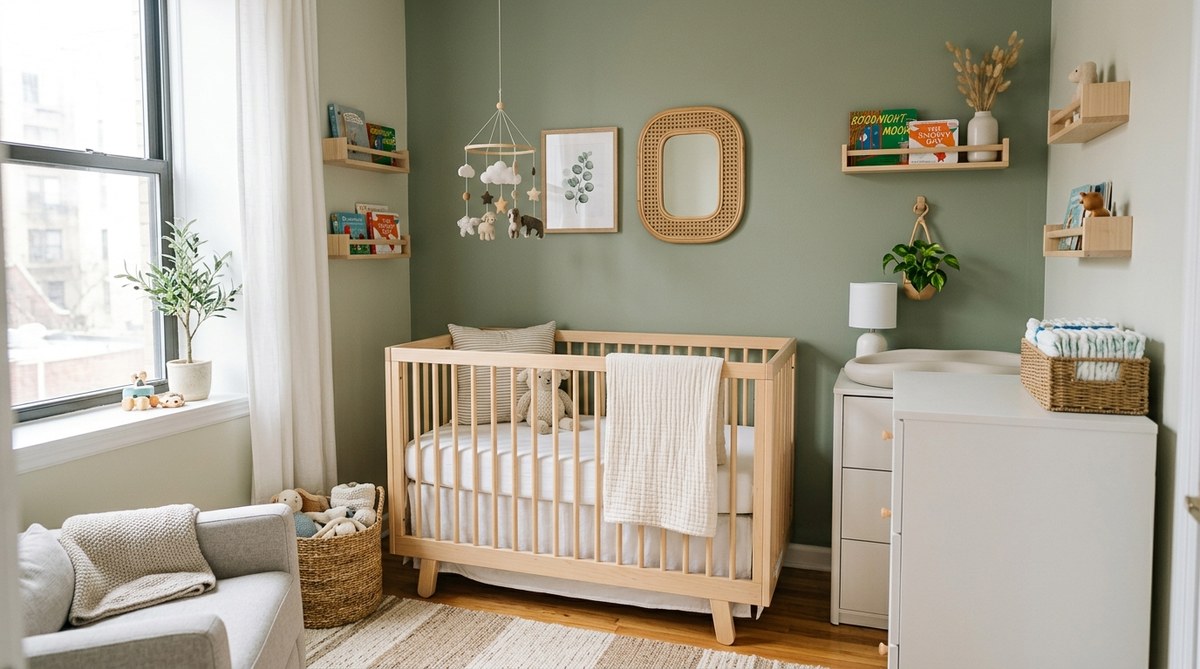
Across city apartments or cozy starter homes, you can create a calm, functional nursery without sacrificing style. At KenziePoo.com we know busy parents want spaces that feel open, safe and easy to maintain. This guide shares easy nursery ideas for small spaces that work in real life. You’ll find practical furniture picks, clever storage hacks, color and lighting tips, and simple DIYs that help your baby’s room grow with your family. Let’s turn a tight footprint into a bright, welcoming space your baby will love and you will actually enjoy organizing.
Smart layout habits for tiny nurseries
A strong plan before you buy or move furniture is your best friend when space is at a premium. Use these strategies to maximize flow, safety, and usability.
Map the room in your head
- Measure accurately: wall lengths, door swing, window placement.
- Sketch a simple floor plan and mark essential zones: sleeping, diapering, dressing, play.
- Prioritize the location of the crib or bassinet near a stable surface for feeding and soothing.
Keep traffic clear
- Leave at least 2 feet around the crib for safe access.
- Avoid placing bulky furniture in door paths or against hinged walls.
Use scale friendly furniture
- Choose furniture with slim profiles and leggy designs to create a sense of airiness.
- Favor pieces with rounded edges for safety and warmth.
Create a visual spine
- Use a single light color on walls to reflect light.
- Add a cohesive, low contrast palette that makes the space feel larger.
Furniture that fits and grows with your baby
When space is limited, furniture must work hard and last through transitions.
1. Compact cribs and convertible options
- Look for cribs that convert into a toddler bed or daybed to extend use.
- Consider mini cribs for very small rooms, especially in shared spaces.
- Prioritize adjustable mattress heights to reduce bending and to accommodate blankets and quick baby checks.
- Feature to check: drop sides for easier tending in the night (if allowed by safety standards in your area).
2. Multi purpose changing stations
- A changing top on a dresser can save space by eliminating a separate changing table.
- Choose a dresser with deep drawers to store clothing, linens and diapering supplies.
- Use a changing pad with safety straps and a soft, wipeable cover for easy cleanup.
3. Rockers or gliders that double as seating
- A compact glider or rockers with a comfortable seat can double as reading space for parents.
- Look for models with hidden storage inside the base or a nearby shelf to stash burp cloths and extra blankets.
4. Wall mounted furniture and display
- Floating shelves are ideal for books, a small lamp, and keepsakes.
- Wall mounted discreet diapering caddies keep essentials within reach without stealing floor space.
Storage strategies that maximize every inch
Smart storage is the backbone of a small nursery. Organization reduces clutter and makes the room feel bigger.
1. Floating shelves and wall organizers
- Install shelves at varying heights to create a visual rhythm.
- Use slim fabric bins or baskets on shelves for loose items like socks and small toys.
2. Baskets, bins and labeled containers
- Clear bins help you see what’s inside without rummaging.
- Label baskets by category: clothes, blankets, changing supplies, toys.
- Use color coded bins to designate different ages or sizes as your baby grows.
3. Closet optimization without adding clutter
- Use a double hanging rod to double the usable closet space.
- Add slim velvet hangers to reduce bulk.
- Install an over the door organizer for items you reach often in the middle of the night.
4. Under crib and multi level storage
- If you have space under the crib, use low profile bins or drawers to store seasonal clothing.
- Consider a rolling cart that tucks under a dresser or a bed for extras.
5. Multi-purpose storage furniture
- A Storage ottoman at the foot of the bed can hold blankets and toys and doubles as a seating spot.
- A cube shelf with fabric drawers can hold baby gear and keep the room looking tidy.
Color palettes and design tricks to feel bigger
Color and light can dramatically affect how large a room feels. Choose wisely for a calmer, more open nursery.
1. Light, airy color schemes
- Soft whites, warm beiges, pale grays, and pastel accents reflect more light.
- If you want a touch of color, opt for soft greens, blush, or mint that stay gentle and serene.
2. Mirror moments with care
- A small, strategically placed mirror can visually expand the space.
- Avoid placing mirrors directly across from the crib for safety and sleep quality.
3. Layered lighting
- Use a mix of ceiling light, task lighting, and ambient lamps.
- A clip-on reading light near the glider saves space and improves nighttime feeding without bright overheads.
4. Texture adds depth
- Use a soft rug, woven baskets, and linen drapes to add warmth.
- Keep textiles light and breathable to maintain a sense of airiness.
Zoning your small nursery
Even in a compact room you can create distinct zones that make the space functional and soothing.
1. Sleeping zone
- Place the crib or bassinet away from windows with direct sun.
- Add a soft, breathable crib mattress and a fitted sheet that is easy to wash.
2. Changing zone
- Align with the dresser or a dedicated changing station.
- Keep diapers, wipes, creams, and a spare changing pad within arm’s reach.
3. Play and growth zone
- Use a small rug to define a play area.
- Store a few age appropriate toys in a low shelf within reach.
4. Reading and calm corner
- A comfy chair or small upholstered lounge near soft lighting creates a quiet retreat for story time.
Budget friendly and DIY ideas
Small spaces often demand clever budget choices. The good news is you can create a stylish nursery without breaking the bank.
1. Thrift, upcycle and repurpose
- Look for a sturdy dresser that can be repainted and repurposed as a changing station.
- Refinish a bookshelf to serve as a book nook and storage.
2. DIY wall storage
- Create a peg rail with coat hooks for tiny items and hats.
- Build simple wall mounted bins using wooden boxes or crates.
3. Simple textiles that transform a space
- Use a light curtain or sheer drapes to soften the room and add height perception.
- Layer a few textiles in different textures to add warmth without overpowering the space.
4. Labeling and organization as a design feature
- Use color coded labels for drawers and bins to encourage tidy habits.
- Put frequently used items in front and lower drawers for quick access during night feeds.
Safety and practicality for busy families
Small spaces can be safer and easier to manage with careful choices.
1. Cord management
- Keep blinds cords or window cords out of reach of babies.
- Use cordless options or safe cord retractors for any window treatments.
2. Electrical safety
- Use outlet covers on all unused sockets.
- Keep cords tucked away and secured to prevent pulling or tripping.
3. Ventilation and temperature control
- Ensure the room is well ventilated and not overheated.
- Use breathable bedding and avoid heavy blankets in the early months.
4. Sleep safety
- Place the crib in a location with no loose items in the crib.
- Use a firm sleep surface and fitted sheet only.
Real life examples and practical planning checklists
These practical steps help you implement small space nursery ideas quickly.
1. Quick setup checklist
- Measure the room and doors.
- Choose a convertible crib and a matching dresser.
- Install floating shelves on a free wall.
- Add a compact glider and a small rug.
- Organize closet with a double rod or hanging organizers.
- Place a changing station on top of the dresser.
- Use labeled storage bins for ease of access.
2. 7 day plan to set up a small nursery
- Day 1: Measure and sketch, order essential pieces.
- Day 2: Assemble key furniture and check safety.
- Day 3: Install wall storage and hooks.
- Day 4: Layer textiles and lighting.
- Day 5: Tidy closet and organize by category.
- Day 6: Add decor touches and a reading corner.
- Day 7: Do a final safety check and enjoy.
3. Room makeover on a budget
- Start with a fresh coat of light, neutral paint to brighten the space.
- Swap heavy drapes for lighter curtains to maximize daylight.
- Use removable wall decals to add personality without committing to paint.
Tips for growing families and shared spaces
If this nursery shares a room with a living area or a teen’s space, you can still make it work beautifully.
- Use a screen or folding divider to create temporary zones when needed.
- Consider a convertible option that transitions to a toddler space as your child grows.
- Keep a temporary storage area for bulky items that you rotate in and out.
Frequently asked questions
How do I design a nursery in a small one bedroom apartment
Focus on vertical storage, light colors, and a clear sleeping zone. Use a compact crib and a dresser that doubles as a changing station.
What is the best color palette for a small nursery
Light neutrals with soft accent colors help reflect light and create a calm, versatile space.
Are mini cribs safe for newborns
Yes, with proper setup, a mini crib can be a safe option for newborns and a good space saver in small rooms.
How can I decorate a nursery without overwhelming the room
Use a few statement pieces and keep clutter out. Choose wall art that is meaningful yet minimal and maintain simple, cohesive textiles.
How can I maximize storage in a small nursery
Rely on vertical storage, multi function furniture, and labeled bins. Use under bed or under crib storage where feasible and keep only items you genuinely use.
Why these ideas fit a busy parenting lifestyle
The ideas shared here are practical, adaptable, and designed for real family life. They aim to reduce time spent tidying and arranging while increasing safety, comfort, and warmth in your baby’s room. By prioritizing function and flexibility, you can maintain a serene nursery even when life gets hectic.
Final thoughts and next steps
Small spaces require clever thinking, but they also invite creativity. With the right combination of compact furniture, smart storage, and warm design, you can craft a nursery that feels open and welcoming. At KenziePoo.com we believe in helping families balance practicality with style. If you want more ideas that blend education, family routines, and child development into your nursery design, explore our parenting and childcare guides for ongoing tips and inspiration.
Quick action list
- Reassess your room layout and identify the one space you can redefine this week.
- Invest in a convertible crib and a versatile changing station or dresser combo.
- Install floating shelves and fabric bins to keep everyday items organized.
- Choose a light color palette with soft textures to make the room feel larger and calmer.
- Create a cozy reading corner with a small chair and a few books within arm’s reach.
If you enjoyed these small space nursery ideas, you might also like our related guides on screen time management for babies, early learning at home, and budget friendly family rooms. For more practical tips and inspiration, visit KenziePoo.com and subscribe for updates on parenting, education and family life.