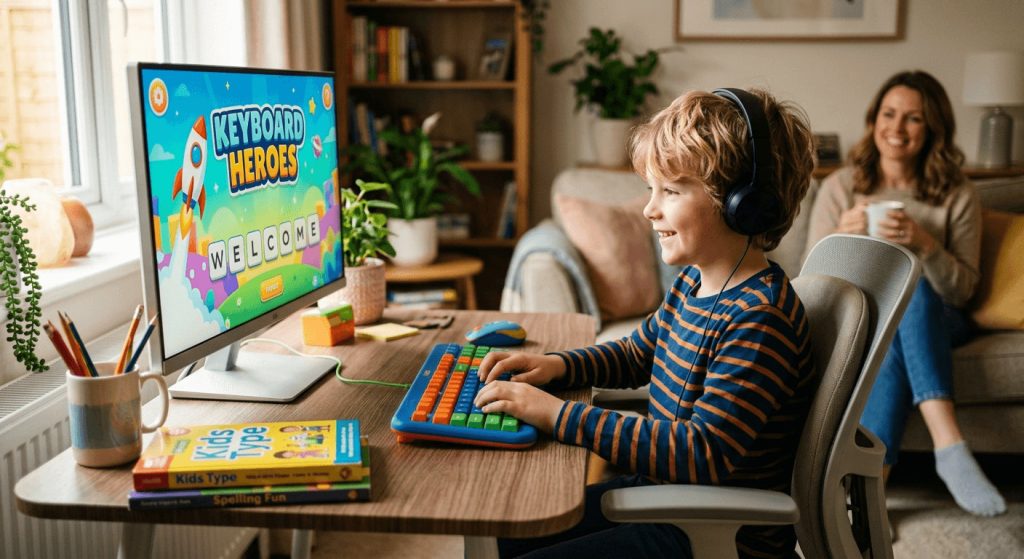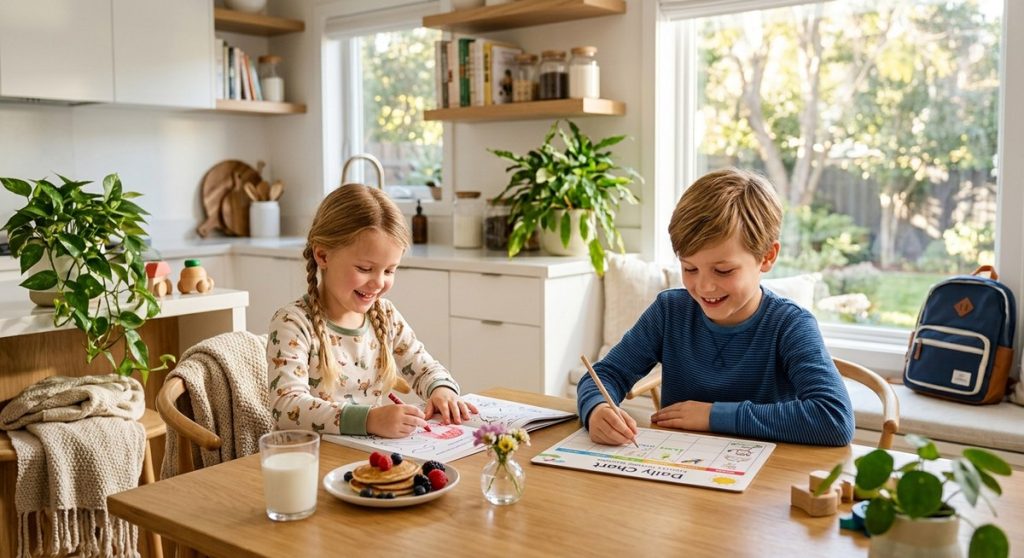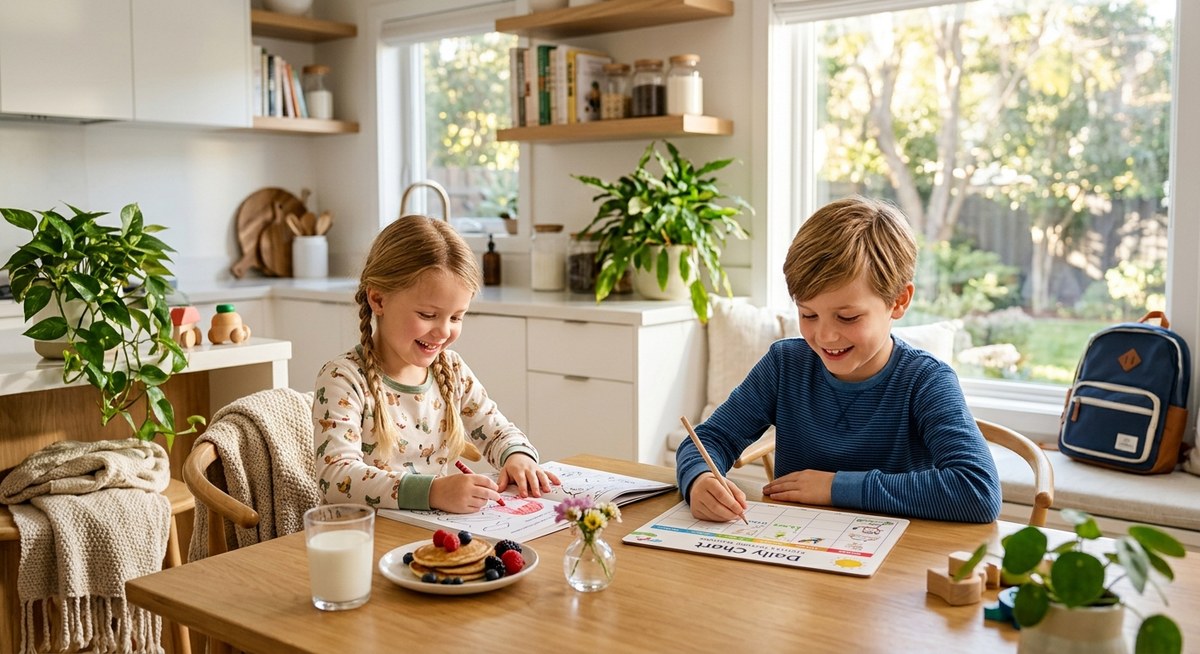
Every parent wants their child to feel secure, capable, and excited to learn every day. The secret often lies in simple daily routines that create predictability without stifling creativity. When kids know what to expect, they can focus more on exploring, playing, and growing. At KenziePoo, we believe routines should fit your family rhythm, not confine it. In this guide, you will find practical ideas to design daily routines that help kids thrive at every age, from toddler to tween and beyond.
Why daily routines matter for kids
Routines are more than a checklist. They are a framework that supports a child’s development in multiple ways.
- Emotional security: predictable patterns reduce anxiety and help children feel safe.
- Self regulation: knowing what comes next helps kids practice waiting, transitioning, and controlling impulses.
- Sleep quality: consistent bedtimes and wind down rituals improve sleep duration and restfulness.
- Learning readiness: regular time for reading, math play, and exploration builds cognitive skills.
- Healthy habits: meals, hygiene, and physical activity become automatic defaults.
- Family connection: shared rituals provide moments for talking, laughing, and listening.
Think of routines as scaffolding that makes everyday life smoother. You still have room for spontaneity and fun; routines just set the stage for those moments to shine.
Building a simple, flexible routine framework
Creating routines does not mean turning your home into a drill sergeant drill. It means establishing reliable anchors while leaving space for variation when life happens. A practical approach is to design around three core blocks:
1) Morning routine
2) Learning and play during the day
3) Evening wind down and bedtime
Tips to get started:
– Start with one or two fixed anchors this week, and add more next week.
– Use visuals like simple checklists or picture cards for younger children.
– Involve kids in choosing activities within the routines to boost buy in.
– Build in flexibility for weekends or days with special events.
Sample flexible framework:
– Morning block: wake up, quick tidy up, breakfast, dress for the day.
– Daytime block: snack time, learning or play activities, outdoor time, lunch.
– Evening block: dinner, family time, bath or shower, story or chat, bedtime.
Morning routines that set a positive tone
A calm morning translates into a calmer day. Here are ideas you can adapt to your family culture and pace.
Wake time and transition
- Keep a consistent wake up time even on weekends if possible.
- Use a gentle transition activity for kids who struggle with mornings, such as a five minute stretch, a favorite song, or a cuddle moment.
- Prepare a 10 minute prep window the night before for backpacks, shoes, and weather appropriate clothing.
Nourishing breakfast
- Aim for protein plus fiber to sustain energy until mid morning.
- Keep quick options available: yogurt cups, fruit, whole grain toast, or overnight oats.
- Involve kids by letting them choose a topping or fruit each day.
Quick night before prep
- Lay out clothes and pack bags.
- Prepare lunch or snack ingredients.
- Put a note with the day’s first activity on the fridge or a whiteboard.
Practical morning routine checklist (adjust to age)
- 6 to 7 year olds: wake up, bathroom, brush teeth, get dressed, finish breakfast.
- 8 to 12 year olds: wake up, quick tidy, dry off, dress, grab bag, breakfast.
- Teens: wake up time, personal care, quick review of the day schedule, quick breakfast or snack.
School day rhythm and learning routines
A steady rhythm helps kids transition between learning and play, and keeps study time productive.
Structured learning windows
- Carve out a consistent study or reading time each day.
- Keep sessions short and focused for younger children; longer blocks can work for older kids with breaks.
- Use a timer to mark study time and a short rest between blocks.
Breaks and movement
- Short physical activity breaks help maintain attention. A quick walk, stretch, or dance break can reset focus.
- Consider a 5 to 10 minute outdoor activity if weather permits.
Homework habits
- Create a dedicated, organized space with minimal distractions.
- Encourage kids to explain what they are learning to you or a sibling as a quick check of understanding.
- Use a simple reward system that reinforces consistent effort rather than perfection.
After school transitions that feel smooth
The post school window can be tough if transitions feel chaotic. A predictable routine helps.
Snack and reset
- Offer a healthy snack within 20 to 30 minutes of arriving home.
- Provide a short decompression period, such as 5 minutes of quiet time or a chill playlist before jumping into activities.
Screen time boundaries
- Set a clear, age appropriate limit for screen time after school.
- Designate a screen free zone or time for the first hour after school to encourage movement and social interaction.
Move then move again
- Encourage outdoor play or a quick family activity to release energy from the day.
- If indoor, choose a physically engaging option like a ball game or simple yoga.
Afternoon play and creative exploration
Routines should balance guided activities with free play. Unstructured time supports imagination and problem solving, while purposeful activities build skills.
The value of a balanced day
- Provide a mix of active, quiet, creative, and social activities.
- Rotate weekly themes or projects to maintain interest.
Simple activity ideas
- Build a Lego or block project with a set time to complete it.
- Create a mini art studio corner with washable supplies.
- Read together or aloud a short chapter from a favorite book.
Quiet time matters
- For younger kids, quiet time can include a picture book, puzzles, or listening to gentle music.
- For older kids, it might be journaling, drawing, or reading a comic.
Mealtimes as daily routines and family connection
Family meals are more than nutrition; they are a daily ritual that nurtures conversation and belonging.
Why family meals matter
- Regular meals provide a chance to reconnect, share wins and challenges, and model healthy eating.
- Even a short 15 to 20 minute meal can become a meaningful family practice.
Conversation prompts for meals
- What is one good thing that happened today?
- What is something you found interesting this week?
- Who helped you this week and how?
Quick and easy meal ideas
- One pot meals that minimize cleanup.
- Build your plate with protein, veggies, and whole grains.
- Involve kids by letting them choose a dish or assist with simple prep tasks.
Bedtime routines that nurture rest and security
A predictable wind down helps kids sleep soundly and approach the next day with confidence.
The wind down sequence
- Turn off bright screens at least one hour before bed.
- A warm bath or shower followed by pajamas can signal the body that sleep is near.
- A short parent child chat or a bedtime story promotes closeness and helps reflect on the day.
Sleep friendly environment
- Keep the bedroom cool, dark, and quiet or use a white noise machine if needed.
- Use a comfort item or soft lighting to create a soothing mood.
Consistent bedtime
- Aim for the same bedtime each night, even on weekends, to reinforce a natural sleep rhythm.
- If your child resists bedtime, try a transitional activity such as reading a favorite page or listening to a short audio story.
Hygiene and self care routines
Routines around hygiene empower kids to care for themselves and reduce parenting battles.
Teeth and oral care
- Brush twice daily for at least two minutes; use a fun song or timer.
- Floss the younger ages and introduce mouthwash only when appropriate for age.
Bath time or shower time
- Establish a regular bath or shower schedule and tie it to the after school routine if helpful.
- Use a kid friendly, mild cleanser and keep bath supplies organized.
Hand washing
- Teach the importance of washing hands before meals and after outdoor play.
- Make it a mini ritual with a quick song or hand washing challenge.
Screen time management within routines
Screens are a big part of modern life, but routines help manage them without denying kids access to digital learning and fun.
Smart screen guidelines
- Define daily or weekly screen time limits that fit your family values.
- Create screen free zones such as the dining table or bedrooms during night time.
Screen time zones and rituals
- Use timers or apps to help kids understand how long they have to use screens.
- Pair screen time with a task, like finishing a chore or reading a book first.
Balance and digital learning
- Encourage educational apps and unplugged activities that support learning goals.
- Schedule occasional family screen time where everyone participates in a game or video call with relatives.
Routines tailored to age and stage
Different ages require different structures. The core idea remains the same but the elements shift.
Toddlers and preschoolers
- Shorter routines with frequent movement breaks.
- Visual schedules with pictures for activities like brushing teeth, washing hands, and naptime.
Early school age
- More independence in dressing, packing, and choosing limited options.
- Clear expectations around homework time and practice routines.
Tweens and teens
- Involve teens in planning their own routines with some constraints to maintain safety and well being.
- Include time for hobbies, social connections online and offline, and physical activity.
Special considerations
- Sensory needs or anxiety may require slower transitions and calmer activities.
- Illness, travel or family changes should be supported with flexible adjustments rather than rigid rules.
Troubleshooting common routine obstacles
Life happens, and routines may wobble from time to time. Here is a practical set of fixes.
When mornings derail
- Prepare the night before and keep a visible checklist.
- Allow extra five to ten minutes for a slow starter; avoid power struggles.
When evenings linger
- Shave down the number of activities and keep the bedtime wind down short but meaningful.
- Try a consistent pre bed routine that involves one calming activity you both enjoy.
When children resist routines
- Involve them in choosing activities and making decisions about the schedule.
- Gradually introduce changes; small adjustments over a couple of weeks are easier to adapt to.
Travel and schedule changes
- Create a compact travel routine with a few key anchors such as a bedtime story and a morning stretch.
- Plan for a mid day rest or quiet time during travel days.
Parental stress and burnout
- Model taking a break when you need it. Kids learn resilience by watching you manage stress calmly.
- Build a backup plan with a trusted caregiver who can step in when needed.
Tools and resources to support routines
A little structure goes a long way. Use simple tools to make routines easy to follow and enjoyable.
Visual schedule
- Create a big weekly board with pictures or icons for morning, learning, play, meals, and bedtime.
- Let kids move the icons as they complete tasks.
Checklists and chore charts
- Age appropriate tasks daily or weekly help kids feel capable.
- Keep tasks short and clearly described with step by step actions.
Timers and alarms
- Use friendly timers for transitions and study blocks.
- Let kids choose their own alarm tones to make it exciting rather than punitive.
Family calendar and planning
- A shared calendar keeps everyone aligned on appointments, activities, and downtime.
- Schedule family events to build connection and anticipation.
Real life examples from families
Hearing how other families make routines work can be inspiring. Here are a few ideas that have stood the test of time.
- A Saturday family morning with a simple breakfast burrito followed by a shorter nature walk and a craft project keeps energy positive and planning simple.
- A weekday routine that combines a quick after school snack, fifteen minutes of reading, and twenty minutes of outdoor play makes homework time less chaotic.
- A bedtime ritual featuring a favorite book, a short conversation about the day, and a cuddle reinforces closeness and sleep readiness.
The role of KenziePoo in supporting routines
KenziePoo is here to help busy parents with practical advice on parenting, education, and family life. Our aim is to simplify daily life while boosting kids confidence and independence. Use our tips to build routines that fit your family values, support screen time management, and spark nursery ideas that you can implement in your home.
- For busy mornings, we offer quick breakfast ideas and simple prep lists.
- For learning at home, we provide structured play and activity suggestions that keep kids engaged without stressing parents.
- For family life, we share ideas for rituals that strengthen connection and reduce friction.
Quick start guide to implementing Daily Routines
If you want to see results quickly, here is a straightforward plan you can implement this week.
1) Pick three core routines to start with: morning, after school, and bedtime.
2) Create a visual checklist for each routine tailored to your child’s age.
3) Set realistic expectations: start with 15 minutes of focused activity for younger children and gradually increase.
4) Involve your child in planning the routines so they feel ownership and pride.
5) Review and adjust at the end of the week. Celebrate successes and refine challenging parts.
Final thoughts: thriving through structured flexibility
Structured routines give kids a secure base from which they can explore the world. They reduce daily friction, support healthy habits, and improve social and emotional development. The key is balance: clear anchors plus room for flexibility, creativity, and joy. With patience and a willingness to adjust, your family can build daily routines that help kids thrive while still leaving space for the surprises that make childhood bright.
If you are curious for more ideas and kid friendly tips, explore KenziePoo’s parenting and childcare resources for ongoing guidance on screen-time management, nursery ideas, and practical strategies to support your child’s learning and growth. Remember, the best routines are the ones your family enjoys and can sustain with love and consistency.